In an era of rapid technological advancement and continuous digital transformation, having a website alone is no longer sufficient for the success of any business or organization. Today’s users expect a seamless digital experience that flows smoothly between the website and the mobile application without disruption. This is where integrated applications emerge as one of the smartest solutions, connecting both platforms to deliver better performance and an exceptional user experience.
But what exactly are integrated applications? What benefits do they offer to organizations and businesses of all sizes? And how can they help increase revenue and improve operational efficiency? These questions are explored in this article.
First: What Are Integrated Applications?
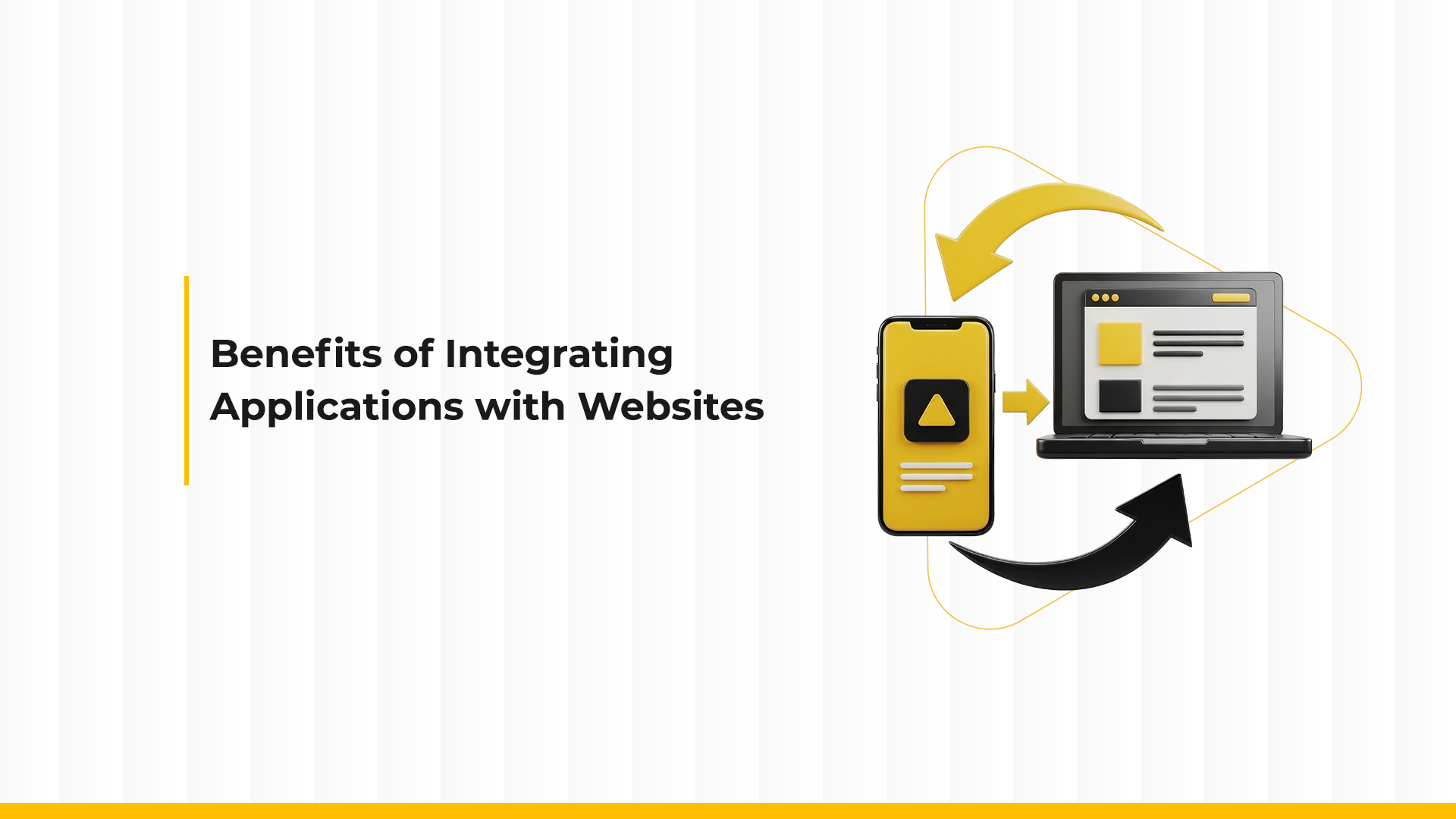
When we talk about integrated applications, we are referring to systems or apps that work in harmony with websites through real-time, secure data exchange. For example, if you own an e-commerce website, an integrated application can display the same data, update inventory, process orders, and synchronize user accounts instantly—without the need to update each platform separately.
The core idea is to create a unified digital environment where the application is an extension of the website and vice versa, allowing users to move between both platforms seamlessly without noticing any difference in data or performance.
Second: Why Are Integrated Applications Important in the Digital Age?
In today’s highly competitive digital market, users are looking for speed, simplicity, and comfort. They want to access your services or products effortlessly, whether through a browser or a mobile device.
That’s why integrated applications are no longer a luxury—they are a necessity. They ensure a consistent experience across all digital platforms and help build customer trust and brand loyalty.
Additionally, integrating the website with the application allows businesses to manage their operations from a single system, saving time and effort while minimizing human errors.
Third: Key Benefits of Integrating Applications with Websites
1. Enhanced User Experience (UX)
User experience is the foundation of any successful digital project. When an application is integrated with a website, users can browse products or services with the same ease across all devices.
For example, if a customer adds a product to the shopping cart on the website and later opens the app, the product will still be there. This simplicity creates a strong sense of convenience and trust.
2. Real-Time Data Synchronization
One of the most important advantages of integrated applications is real-time data exchange. Any action performed on the website is instantly reflected in the app, and vice versa.
This reduces errors such as duplicate orders or inaccurate inventory updates and enables more precise business management.
3. Increased Sales and Revenue
Providing users with a smooth, unified experience significantly increases the likelihood of conversion. Many customers begin their purchasing journey on mobile devices and complete it on a website—or the other way around.
Through integration, businesses can track customer behavior across all channels, enabling personalized offers and more effective marketing campaigns that drive higher sales.
4. More Accurate Data Analysis
When systems are separated, collecting and analyzing data becomes fragmented. With integrated applications, user data from all channels is consolidated into one place, giving businesses deeper insights into customer behavior and preferences.
This enables data-driven marketing decisions and performance improvements based on clear and reliable metrics.
5. Stronger Customer Loyalty
A seamless cross-platform experience makes customers feel they are interacting with a professional, customer-focused ecosystem. When users see their data saved, orders synchronized, and experiences consistent across platforms, their trust in the brand naturally grows.
6. Reduced Operational Costs
Managing two separate platforms (a website and an app) often means doubled effort, maintenance, and costs. Integrated applications allow businesses to manage content and data from a single dashboard, reducing operational expenses and improving technical team efficiency.
7. Improved Customer Communication
Integration enables the use of multiple communication channels, such as push notifications, email, and live chat.
This enhances engagement opportunities and ensures faster responses to customer inquiries, increasing satisfaction and supporting long-term customer relationships.
Fourth: Examples of Successful Integrated Applications
Here are some real-world examples that demonstrate how digital integration can completely transform the user experience:
Amazon
One of the world’s leading examples of integrated platforms. The Amazon website and mobile app offer nearly identical experiences, with purchases, wish lists, and preferences synchronized in real time.
Netflix
Whether using the website or the app, viewing history and “Watch Later” lists remain fully synchronized, delivering a highly personalized and convenient experience.
Local Stores and Small Businesses in Jordan and the Gulf
Many regional e-commerce businesses now rely on integrated applications to showcase products and streamline orders. Restaurants and fashion retailers, for example, offer apps directly connected to their websites, allowing customers to place orders and track deliveries effortlessly.
Fifth: How Can Businesses Benefit from Integrated Applications?
If you are a business owner or in the process of digital transformation, here are some practical tips to maximize the benefits of website and app integration:
- Use APIs to connect systems smoothly without unnecessary technical complexity.
- Design a consistent user experience in terms of colors, fonts, and navigation to ensure continuity across platforms.
- Adopt a centralized content management system (CMS) that updates both the website and the app simultaneously.
- Monitor key performance indicators (KPIs) after integration to measure improvements in user experience and sales.
- Invest in security and data protection, as synchronization between platforms must be fully secured against breaches or leaks.
Sixth: The Future of Integrated Applications
The future is moving toward deeper integration between systems and platforms. With rapid advancements in artificial intelligence and the Internet of Things (IoT), the connection between apps and websites will become even smarter.
Websites may soon recognize user preferences based on app behavior and deliver fully personalized experiences without human intervention.
As e-commerce continues to expand in the Arab world—particularly in Jordan and Saudi Arabia—investing in integrated applications will become a strategic necessity that differentiates businesses from competitors and enables scalable growth.
Conclusion
Integrated applications are no longer just a technical option; they are a strategic tool that enhances user experience and supports business growth.
By intelligently connecting websites and mobile applications, businesses can deliver a unified digital experience that increases customer satisfaction, reduces costs, and unlocks new marketing opportunities.
Ultimately, integration between websites and applications is the first step toward building a strong, sustainable digital ecosystem capable of competing in a constantly evolving digital world.