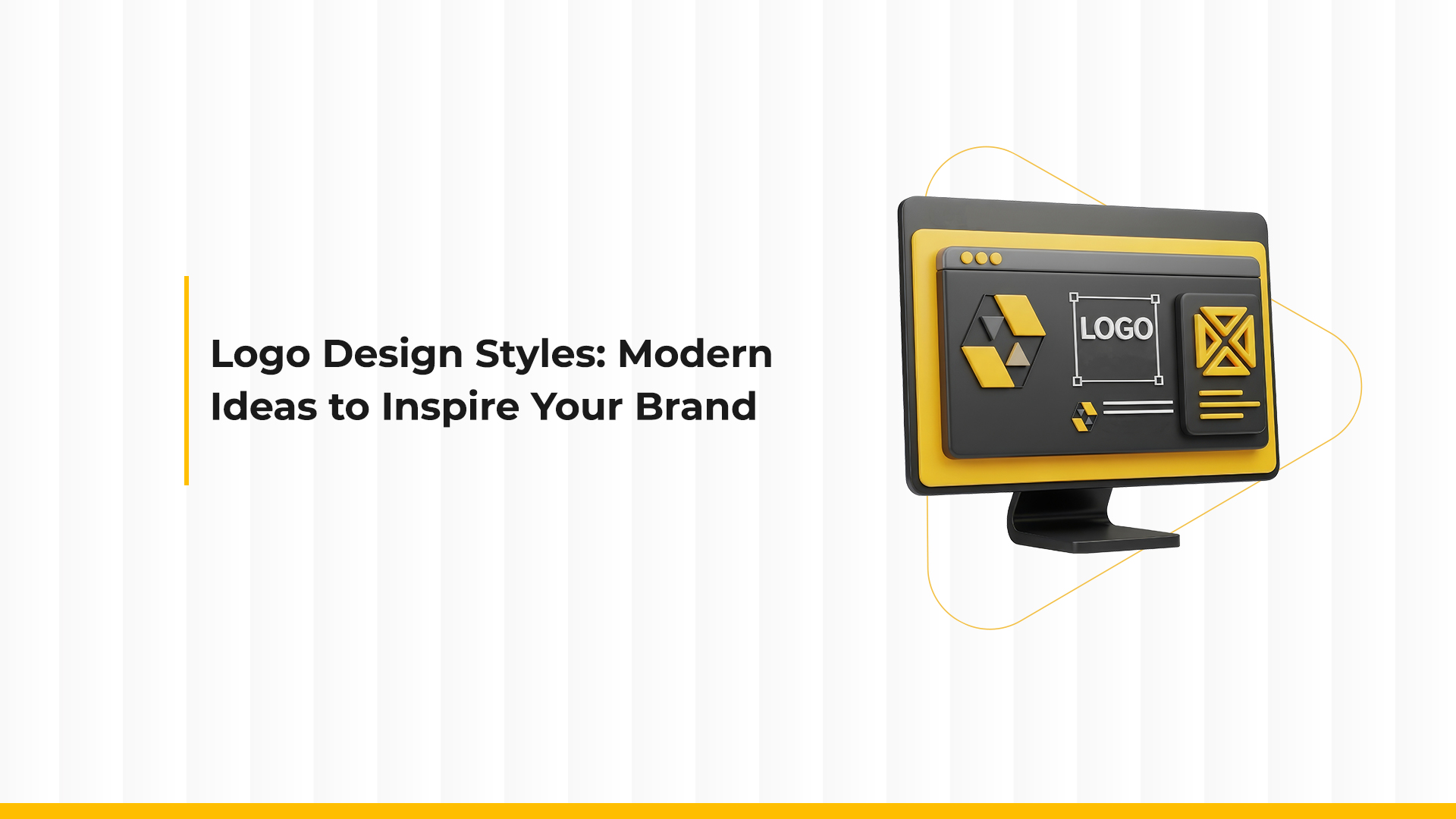
In today’s business world, nothing communicates a brand’s identity more effectively than its logo. It’s often the first visual element that customers interact with and shapes their initial impression of your company. Choosing professional and attractive logo design shapes can significantly influence how your brand is perceived. This guide explores modern logo design trends, the best logo design tools, and the importance of creating a complete visual identity.
Why a Logo Matters in Building Your Visual Identity
A logo is more than an image; it visually represents your brand’s vision, message, and values. A professionally designed logo helps build trust and immediate recognition. Whether launching a new company or redesigning an existing brand, your logo should be a core part of a consistent and strong visual identity.
Types and Shapes of Logos
When it comes to logo design shapes, there are several core types, each with its advantages and ideal use cases:
1. Wordmarks (Text-Based Logos)
These rely solely on the company name, using unique typography to convey the brand message.
Examples: Google, Coca-Cola
When to use: When your brand name is distinctive and easy to remember.
2. Logomarks (Symbol-Based Logos)
These logos use an icon or symbol without text.
Examples: Apple, Twitter
When to use: For established brands recognizable by a symbol alone.
3. Combination Marks
Merge text and icon into one design; one of the most common types.
When to use: To strengthen the connection between your brand name and symbol.
4. Lettermarks (Initial-Based Logos)
Focus on the initials of a company name.
Examples: IBM, CNN
When to use: When the full name is long or hard to remember.
5. Dynamic Logos
These logos can change depending on context while keeping the core design intact.
When to use: To show flexibility and innovation in brand communication.
Modern Logo Design Ideas for 2025
Here are some current trends to inspire your logo:
- Minimalism: Clean lines and simple shapes that convey professionalism.
- Interlocking Letters: Cleverly combine letters for a unique, memorable design.
- 3D Symbols: Add depth to create visual interest in digital platforms.
- Gradient Colors: Use color gradients for a dynamic, modern feel.
- Occasion-Based Variations: Adapt colors or symbols for events while keeping the main logo consistent.
Choosing the Right Logo Shape
Factors to consider:
- Business Type: Tech companies may prefer minimalism; creative brands might opt for bold designs.
- Target Audience: Designs for younger audiences differ from professional or corporate ones.
- Core Message: Ensure the logo conveys emotions like trust, creativity, or innovation.
Best Logo Design Tools
Thanks to digital tools, logo design is no longer limited to professionals:
- Adobe Illustrator: Industry-standard, vector-based, highly customizable.
- Canva: Beginner-friendly with editable templates.
- LogoMakr: Simple drag-and-drop platform for quick logos.
- Looka: AI-powered logo generator for initial ideas.
- Affinity Designer: Professional alternative to Adobe at a lower cost.
Complete Visual Identity: Beyond the Logo
A logo is only one element of a cohesive visual identity, which includes:
- Brand Colors: Official colors across all marketing materials.
- Typography: Consistent fonts that enhance brand harmony.
- Imagery & Patterns: Visual styles that unify your brand look.
- Brand Guidelines: A reference document detailing logo use and visual rules.
Common Logo Design Mistakes to Avoid
- Following trends blindly
- Overly complex designs
- Not testing logos on different backgrounds or sizes
- Using unmodified stock images
The Role of a Designer
Even with the best logo design tool, a professional designer adds value by:
- Analyzing competitors
- Understanding your audience
- Translating your brand story into a visual identity
Logo in Digital Marketing
Your logo is central to digital marketing—from social media profiles to video ads. Ensure it is flexible and responsive, maintaining quality across small business cards to large-scale displays.
Rebranding: Can You Change Your Logo?
Yes, with caution. Rebranding updates your brand image while keeping recognizable elements like colors or symbols. Example: Pepsi has evolved its logo multiple times while keeping the red and blue color scheme.
Tips for Designing Logos for the Arab Market
- Pay attention to Arabic typography
- Consider right-to-left reading direction
- Incorporate cultural symbols or colors if relevant
- Keep designs simple and clear for easier recognition
Getting Started
- Define your logo’s goals: professionalism, creativity, or industry association.
- Collect examples of logos you like.
- Choose your colors and fonts.
- Decide on your tool: a professional software or a designer.
- Remember: the logo is the beginning of building a full visual identity.
Conclusion: Your Logo Is Your Visual Signature
A strong logo should be beautiful, expressive, and adaptable, growing with your brand. Think about the story you want to tell with every line, color, and symbol. Start with clear goals, choose the right design tool, and develop a complete visual identity—your logo is the start of your brand’s story.